

®
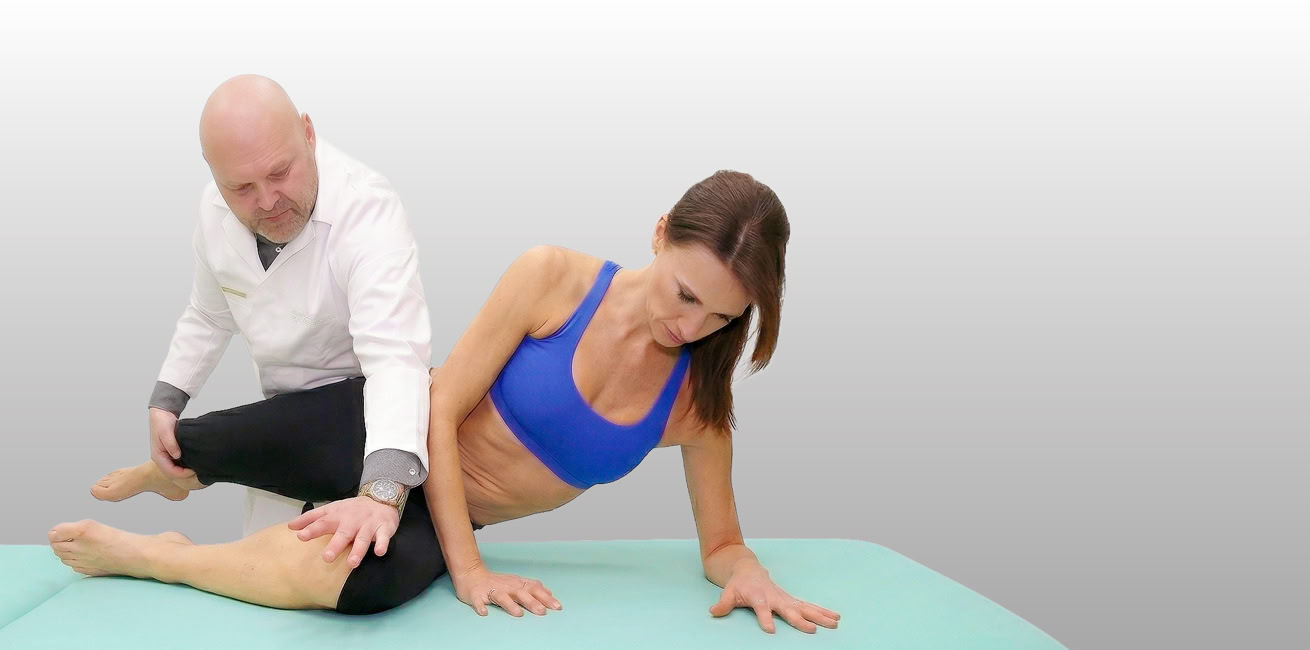
- Dynamic Neuromuscular Stabilization (DNS) represents a unique approach to the human movement system, integrating neurology, developmental kinesiology, and clinical practice. It is based on the understanding that movement quality is not determined solely by muscles and joints, but primarily by how movement is controlled by the central nervous system.
- DNS translates these principles into specific assessment and therapeutic strategies. It utilizes natural movement patterns established during early development and reactivates them where they have been disrupted. The result is improved stability, coordination, and efficient movement without overload or pain.
- The concept builds on the legacy of Czech rehabilitation pioneers such as Vaclav Vojta, Karel Lewit, Vladimir Janda, whose work has profoundly influenced modern rehabilitation. The contemporary form of DNS was developed and systematized by Pavel Kolář
- DNS changes the perspective on therapy. Rather than addressing isolated symptoms, it restores the global control of movement.
Products


News

Prague, Czech Republic - September 16 - 19, 2027
Elite DNS Practitioner & Trainer Course: Advanced Clinical Mastery with the Prague School

- DNS is not just “belly breathing” or “baby exercises.”
- Sensorimotor integration and neurophysiology as the foundation of movement control.
- Functional joint centration and intra-abdominal pressure.
- How Professor Kolář can identify a problem during a clinical examination—even before knowing the patient’s medical history.
- DNS as a way of clinical reasoning, not simply a set of exercises.

Stanford University, USA
From June 6–8, 2026, Professor Kolář, Professor Kobesová, and certified DNS instructors Mike Rintala and Clare Frank from the United States presented the DNS concept as part of a dedicated two-day program.
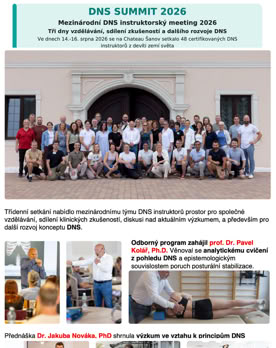
- Gathering of the complete certified DNS instructor team: 48 instructors from 9 countries
- International final DNS Course D: 51 participants from 13 countries
- DNS Golf Course: 24 participants from 11 countries
- DNS Strength Training Course, Part 3: 39 participants from 7 countries
- A week of international DNS education, experience sharing, professional development, informal meetings, and discussions
- Join the international DNS family next time


